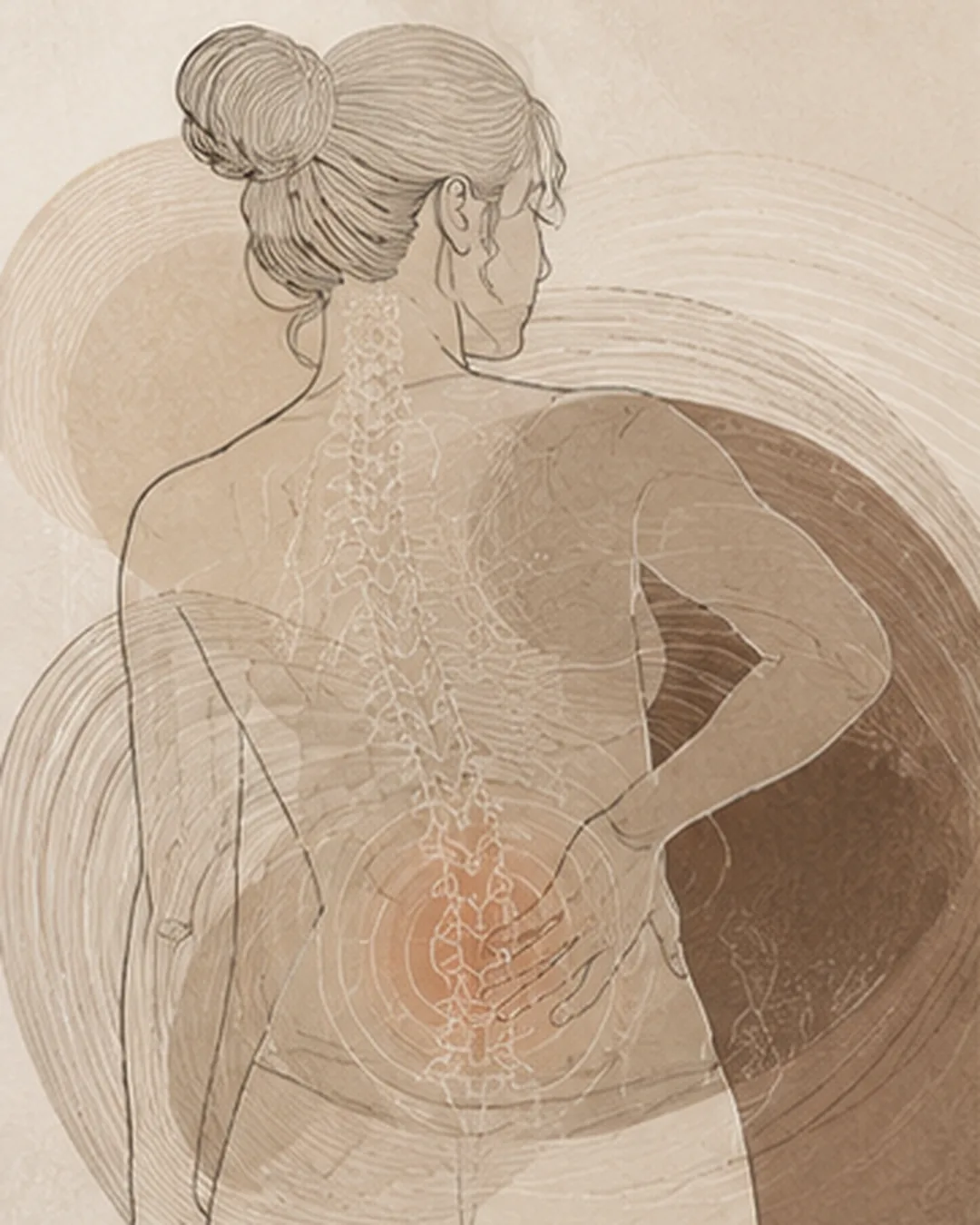
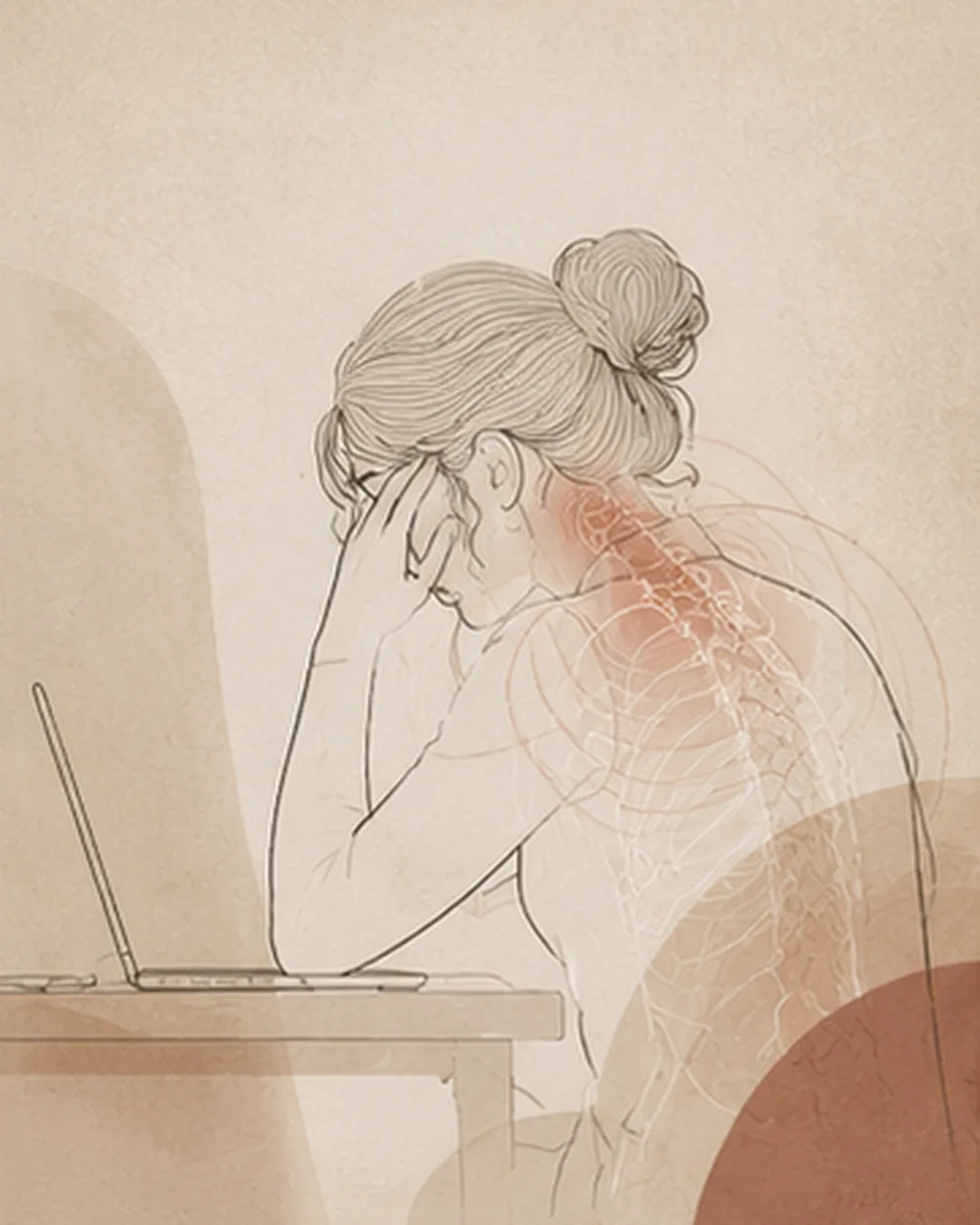
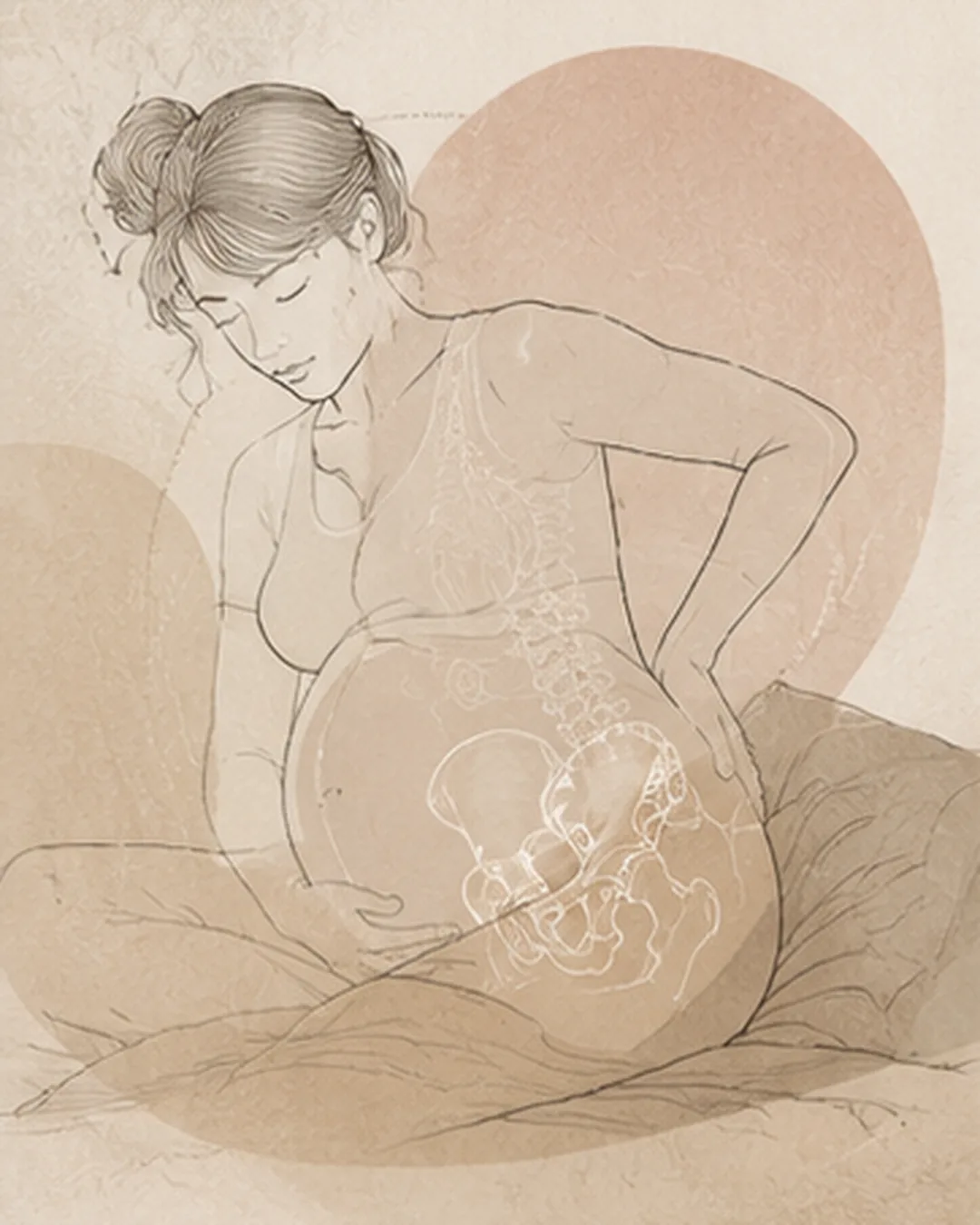
If you have never seen an osteopath before, it is completely normal to feel uncertain about what is going to happen. A lot of people arrive with a vague idea of clicking and cracking, or worry they are going to be asked to do something uncomfortable. This is a straightforward guide to what actually happens, written so you know what to expect before you walk through the door.
Before you arrive
You do not need a GP referral to see an osteopath. You can book directly. All you need to bring is yourself and, if you have had relevant scans or imaging in the past, those can be useful but are not required.
Wear or bring something you can move in comfortably. Depending on the area being treated, I may need to see the skin to examine it properly. You will always have privacy to change, and a gown or towel is available. If you would rather stay in shorts and a vest, that is fine too. Just let me know.
The case history
The first thing we do is talk. According to the General Osteopathic Council, a first appointment typically lasts 45 to 60 minutes, and a good chunk of that is me understanding your situation properly before I touch anything.
I will ask about the specific problem that has brought you in: when it started, what makes it better or worse, whether it is constant or comes and goes. I will also ask about your general health, any medication you are on, previous injuries or operations, and what your day-to-day life looks like. That context matters. The way you sit, move, sleep and exercise is often directly relevant to why you are in pain.
Everything you tell me is confidential.
The examination
Once I have a clear picture of your history, I will examine you. This involves asking you to make simple movements, things like bending forward, turning your head, or standing and sitting, so I can see how you move and where restriction or compensation is happening. I will also use my hands to feel through the relevant tissues directly, assessing muscle tone, joint movement and areas of tension.
This part is not painful. I am gathering information. If anything is sore during the examination, tell me, because that is useful information in itself.
After the examination, I will explain what I have found in plain language: what the likely source of the problem is, what is contributing to it, and what a realistic plan looks like. This is also the point where I will tell you if I think something needs investigating further, or if you need to see your GP rather than continuing with me.
The treatment
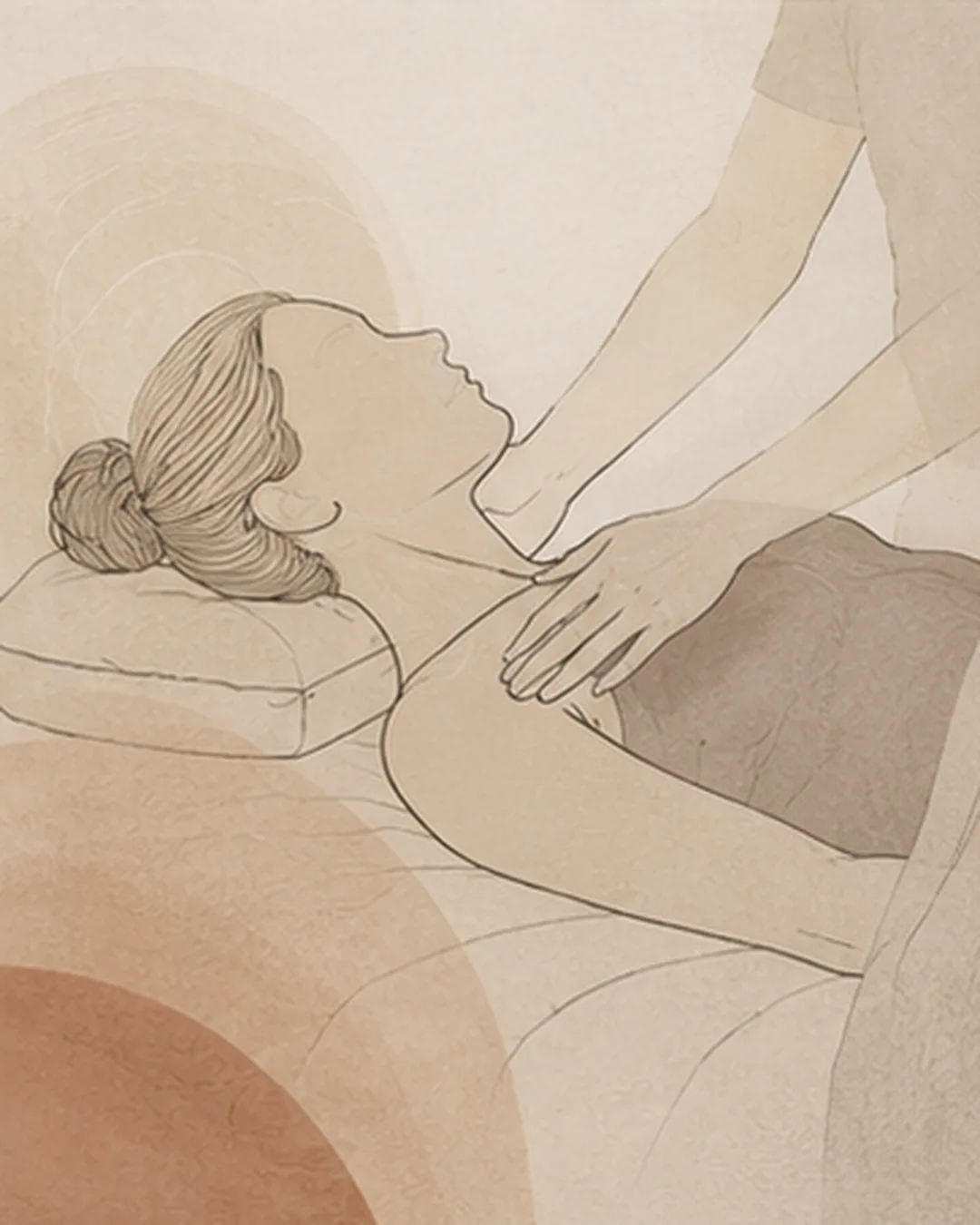
Most people start treatment at their first appointment, though if I need more information first I will tell you why. Treatment at Osteoxfit is hands-on. The techniques vary depending on what you need, but the toolkit includes:
- Soft tissue work, which is essentially a targeted, clinical form of massage on specific muscles and connective tissue
- Joint mobilisation, where I move a joint through its range of motion to free up restriction and reduce stiffness
- Articulation, a rhythmic movement technique that is particularly good for stiff joints without any clicking
- High-velocity thrust techniques, the kind that occasionally produce a click or pop. These are safe when used appropriately, but they are never done without your consent, and they are not something I use routinely
- Movement and exercise advice to support what we do in the room
The treatment should feel therapeutic, not aggressive. Some areas may feel tender when worked on, but that is different to pain, and I will always check in with you. If anything feels wrong, say so and I will adjust.
After the session
Most people leave feeling looser and more comfortable. Some feel a little tired. A smaller number, around 10 to 20% according to practice data, notice some mild achiness or stiffness in the 24 to 48 hours after treatment, particularly if there was significant soft tissue work. This is a normal response and settles quickly.
Moving around after treatment is encouraged. You do not need to rest. Gentle walking, stretching or going about your normal day is fine. I will tell you if there is anything specific to avoid.
By the end of the session, you should have a clear sense of what I found, what we did, and what the plan is from here. Including an honest estimate of how many sessions are likely to be useful, and what you can do yourself between them.
How many sessions will I need?
It depends on the problem, but for most straightforward musculoskeletal complaints, meaningful improvement within two to four sessions is a reasonable expectation. I will give you a more specific estimate after I have examined you. What I will not do is leave you on an open-ended treatment plan with no endpoint in sight. That is not how I work.
Some people come once for a specific issue and that is enough. Others find periodic check-ins useful, particularly if they have a recurring or activity-related complaint. That is your choice, not a default recommendation.
A note on this practice
Osteoxfit is a women-only practice, and that is intentional. Not as a marketing point, but because a lot of the things women come to see me about, from pregnancy-related pain to postnatal recovery to working out after years of not moving, are easier to talk about and work on in a space built around them.
There are no GP referrals needed. You book directly. The initial consultation is longer than a follow-up session because I take the time to understand the full picture properly before deciding what to do. I am registered with the General Osteopathic Council (GOsC No. 10504), which is the legal regulator for osteopaths in the UK.
Common questions
Do I need to undress?
Possibly, depending on what we are treating. You will always have privacy to do so, and you can tell me at any point if you are uncomfortable. Shorts and a vest top are absolutely fine if you would prefer.
Is it going to hurt?
Treatment should not be painful during the session. Some mild achiness in the day or two afterward is possible, but it settles quickly. If anything feels wrong during treatment, tell me.
Can I bring someone with me?
Yes. You are welcome to bring a friend or family member and have them present throughout, if that makes you more comfortable.
What if I am not sure osteopathy is right for me?
That is exactly what the case history is for. I will tell you honestly if I think I can help, if I think something else would serve you better, or if I think you should see your GP first. I would rather you leave with the right information than book a course of treatment you do not need.
Last reviewed by Amina Shamsi M.Ost, June 2026
Osteoxfit is based in Chelsea SW10, within easy reach of Kings Road, Sloane Square, Fulham, Kensington and Knightsbridge. I work exclusively with women. No GP referral needed. This article is general information, not personal medical advice. Speak to your GP if you are unsure whether osteopathy is right for your specific situation.
Ready to book?
If you would like to come in or you have a question before you decide, message me directly. I will give you a straight answer.
Message on WhatsApp