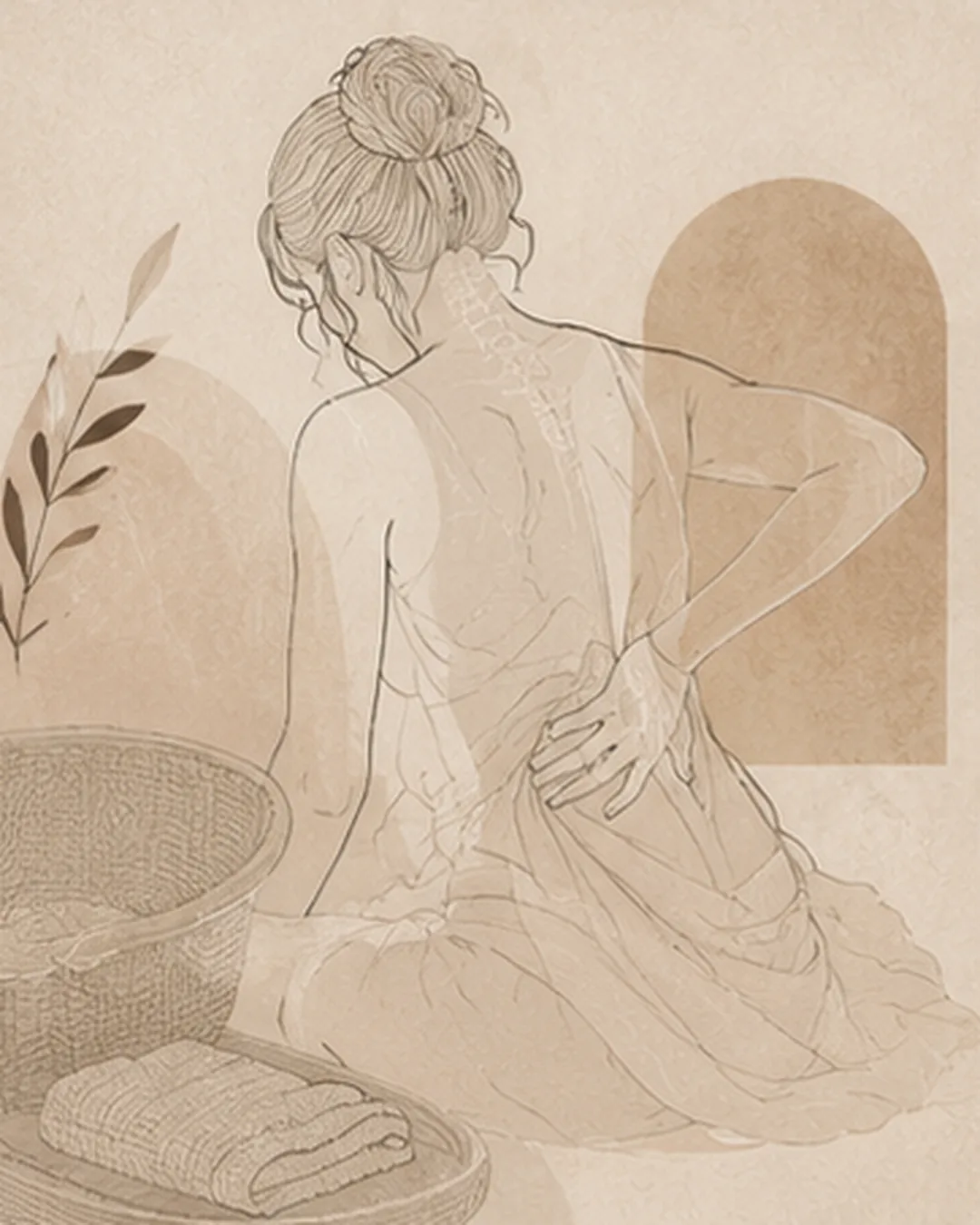
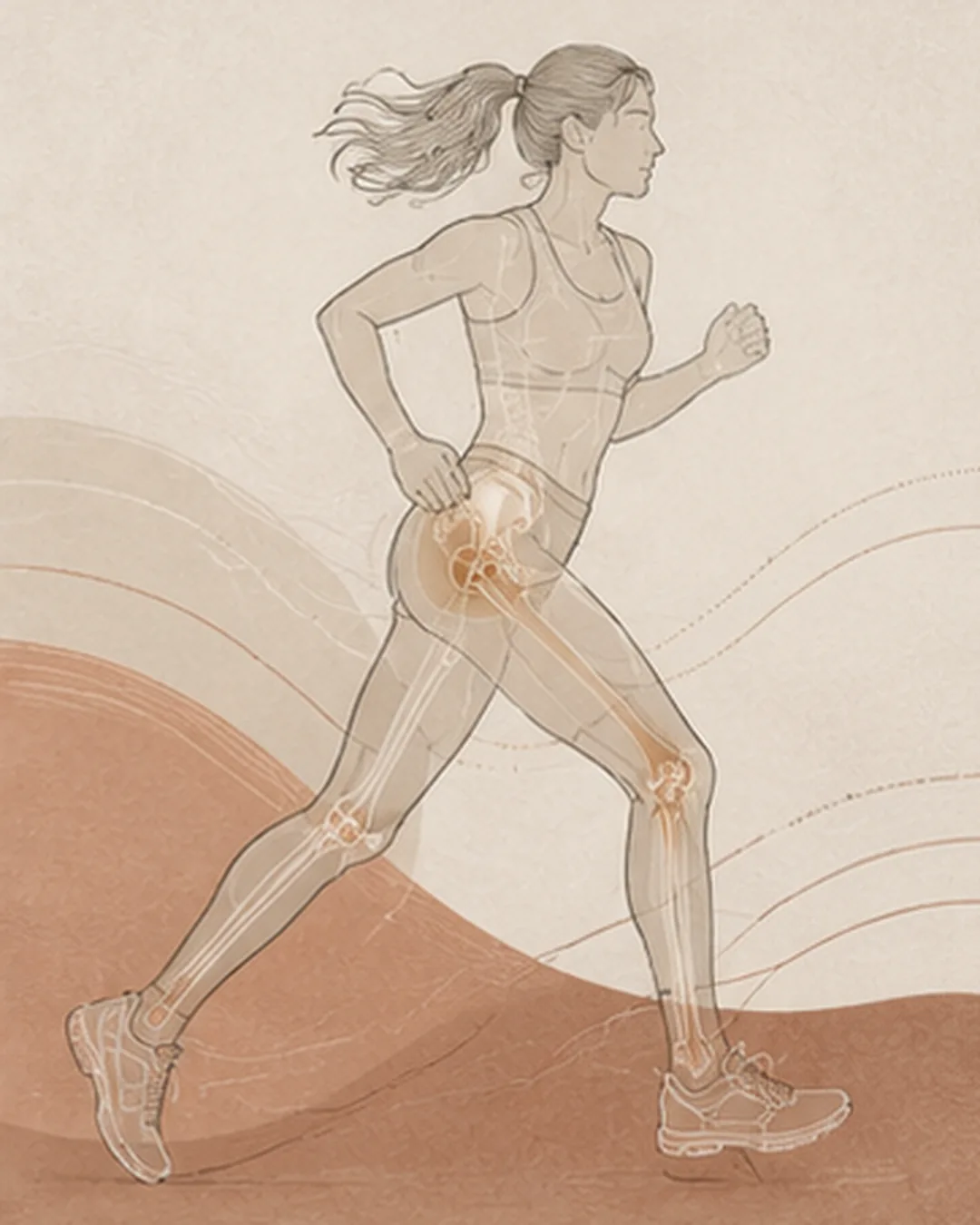
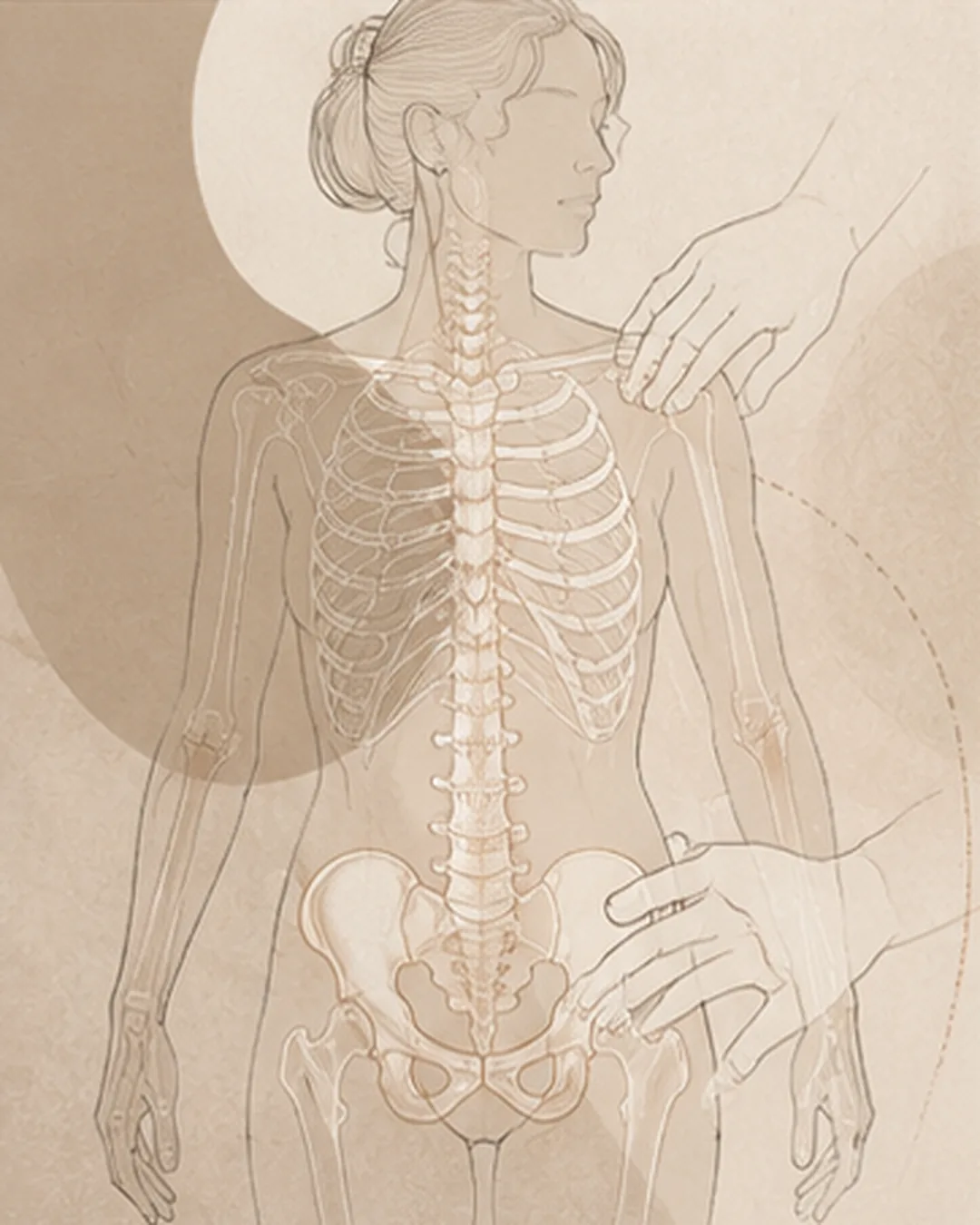
Osteopathy is widely considered safe during pregnancy when it is carried out by a registered osteopath who regularly works with pregnant women. The Royal College of Obstetricians and Gynaecologists is clear that gentle hands-on treatment for pregnancy-related pelvic and back pain can be done safely at any stage of pregnancy. I am registered with the General Osteopathic Council (No. 10504), which is the legal regulator for osteopaths in the UK.
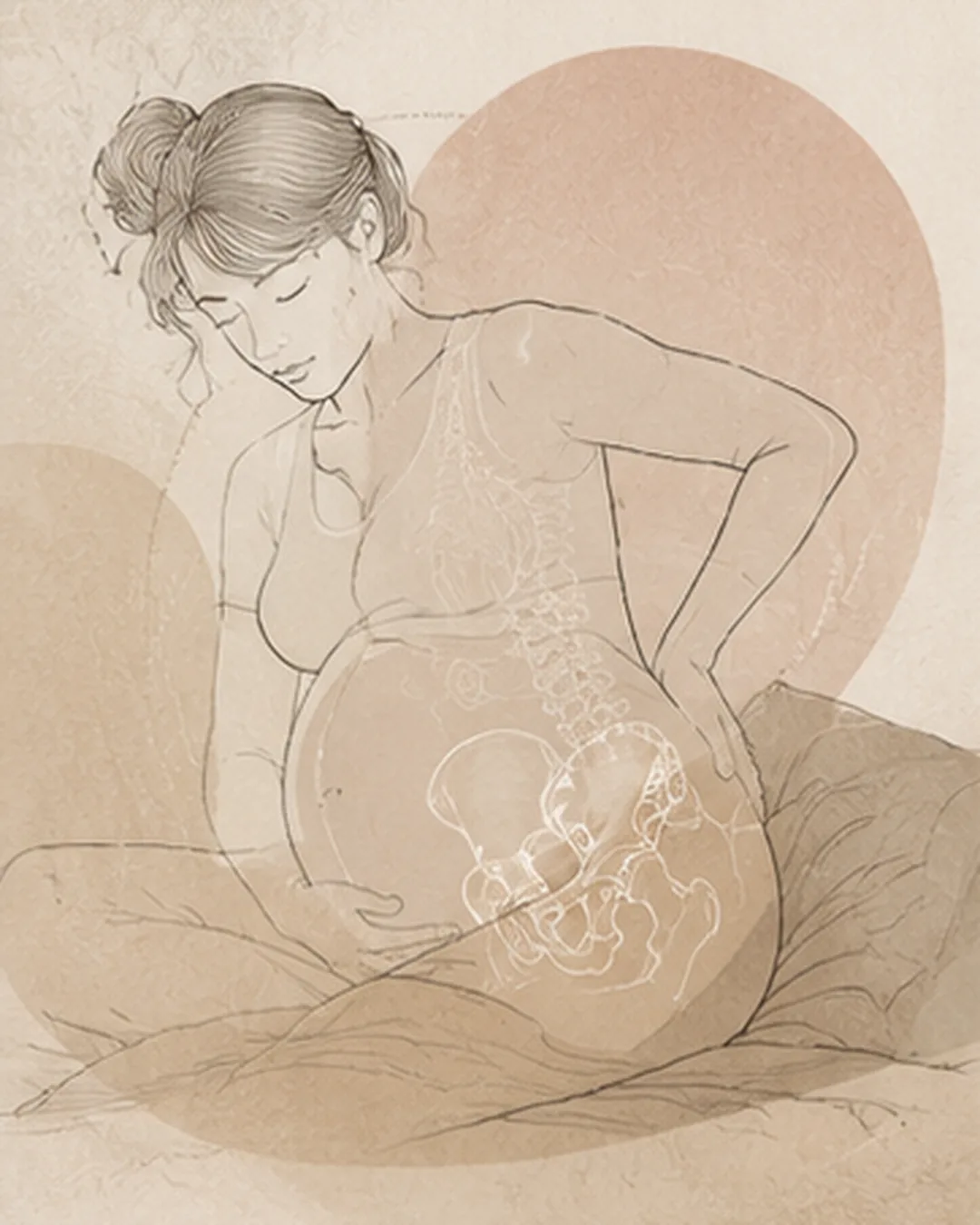
So the honest headline is this: safe, yes. A magic fix for everything, no. You deserve the real picture, not a sales pitch.
What pregnancy complaints osteopathy commonly helps
Your body changes a lot in nine months. Your centre of gravity shifts forward, a hormone called relaxin loosens your ligaments to prepare for birth, and your posture adapts week by week. That is normal, but it puts new load through joints and muscles that are not used to it. The complaints I see most often are:
- Pelvic girdle pain (PGP), sometimes called SPD: pain around the pelvis, pubic bone, hips or the back of the pelvis
- Lower back pain
- Sciatica, a shooting or burning pain down the leg
- Rib and upper back pain, usually later on as the bump grows and the ribcage expands
These are mechanical problems, which is exactly the territory osteopathy works in. The aim is not to “fix your pregnancy”. It is to help your body cope better with the changes it is going through.
What treatment actually looks like
If you have never had osteopathy, the picture in your head might be dramatic clicking and cracking. That is not what pregnancy treatment is. It is gentle.
You will not be lying flat on your back for long stretches, especially later in pregnancy. I work with you propped up, on your side with pillows for support, or seated, whatever is comfortable and safe for you and the baby. The techniques are soft tissue work, gentle joint mobilisation and stretches, plus advice on positions, movement and simple things you can do at home between sessions. It should not be painful. If anything feels wrong, you tell me and we change it.
What it can't do
Osteopathy cannot speed up or change the underlying hormonal and structural changes of pregnancy. It cannot guarantee you will be pain-free, and anyone who promises that is not being straight with you. Some discomfort in pregnancy is just part of it, and the realistic goal is to reduce pain, improve how you move, and help you stay active and sleep better, not to make every ache vanish.
It is also not the right tool for some problems. Osteopathy treats musculoskeletal pain. It does not treat the medical side of pregnancy, and there are times when your midwife or GP is the right first call.
When to see your midwife or GP instead
Please contact your midwife, GP or maternity unit, not me, if you have any of the following:
- Vaginal bleeding, fluid loss, or a change in your baby's movements
- Severe headache, vision changes, or sudden swelling in your face, hands or feet
- A high temperature or feeling generally unwell
- Severe abdominal pain
- Numbness around your saddle area, or loss of control of your bladder or bowel
That last one is rare but it is an emergency. Go straight to A&E. None of these are osteopathy problems. When in doubt, your maternity team comes first, every time.
My approach
I only work with women, and that is a deliberate choice, not a marketing line. A lot of what brings women to me (pregnancy aches, postnatal recovery, getting strong again) is easier to talk about openly in a space built around it.
My own route into this work matters here too. I came to osteopathy through massage and bodywork, and I got properly into strength training myself after a stretch of being inactive. It completely changed how I see the body, not as something fragile to be protected, but as something that adapts and gets stronger when you treat it right. That is the lens I bring to pregnancy: gentle hands-on help when you need it, plus realistic movement so you feel more capable in your own body, not less.
Common questions
Can I have osteopathy in the first trimester?
Yes. Osteopathy can be carried out at any stage of pregnancy. Treatment is adapted to your stage and you should always tell your osteopath that you are pregnant and how far along you are.
Does it hurt?
It should not. Pregnancy treatment uses gentle soft tissue work and joint mobilisation in comfortable, supported positions. If anything feels uncomfortable, tell me and I will adjust.
Can osteopathy help pelvic girdle pain?
It may help. PGP is a mechanical problem, and hands-on treatment combined with movement advice is commonly used to ease symptoms and improve mobility. Early treatment tends to help most. The RCOG recommends seeking treatment rather than waiting it out.
How many sessions will I need?
It varies from person to person. Many women notice a difference within a few sessions. I will review progress with you honestly and I am not interested in keeping you coming back longer than you need to.
Last reviewed by Amina Shamsi M.Ost, June 2026
Osteoxfit is based in Chelsea SW10, within easy reach of Kings Road, Sloane Square, Fulham, Kensington and Knightsbridge. I work exclusively with women. No GP referral needed. This article is general information, not personal medical advice. Always speak to your midwife or GP about concerns during pregnancy.
Pregnancy osteopathy in Chelsea SW10.
If you are pregnant and dealing with back, pelvic or rib pain, get in touch and I will be straight with you about whether I can help.
Message on WhatsApp