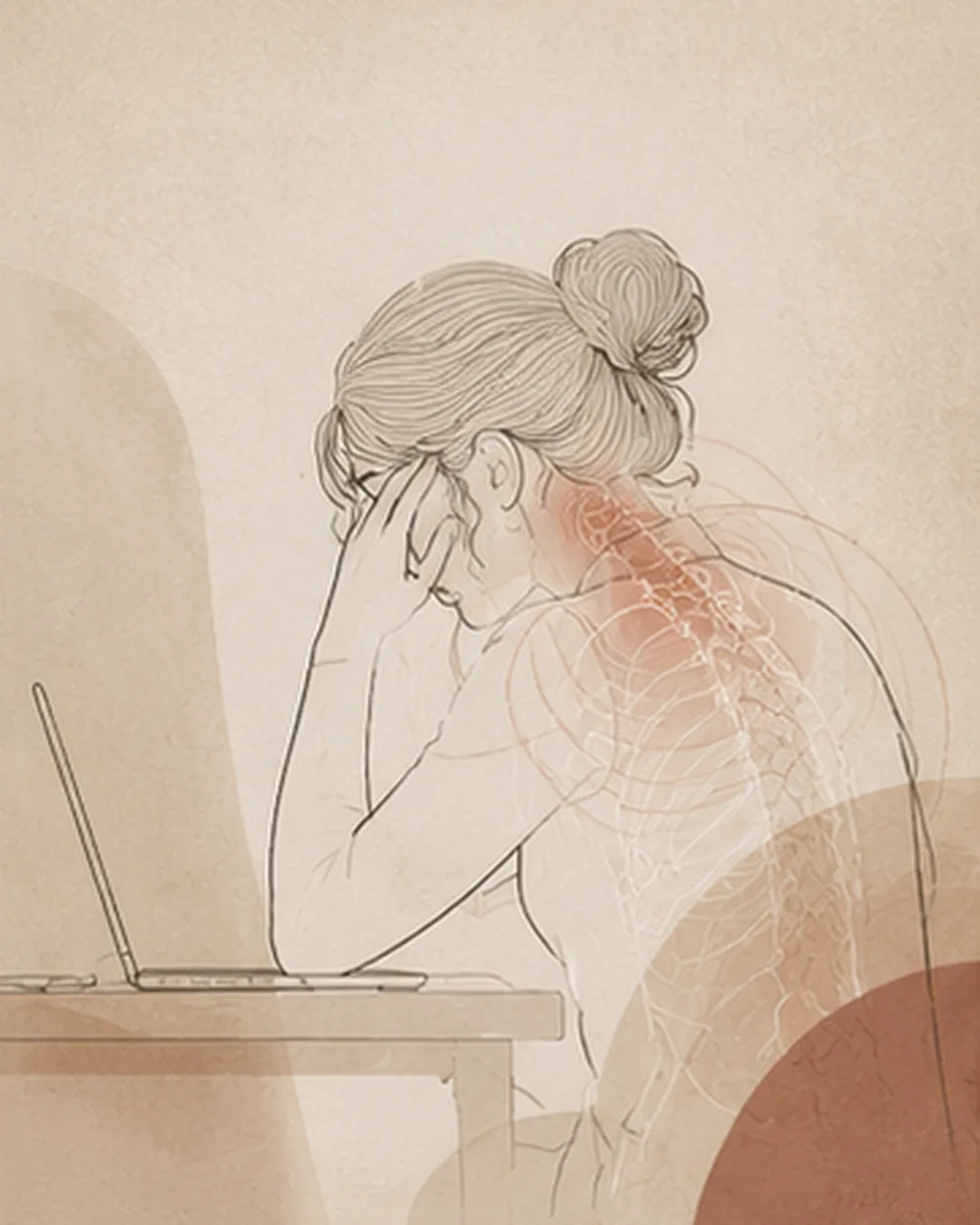
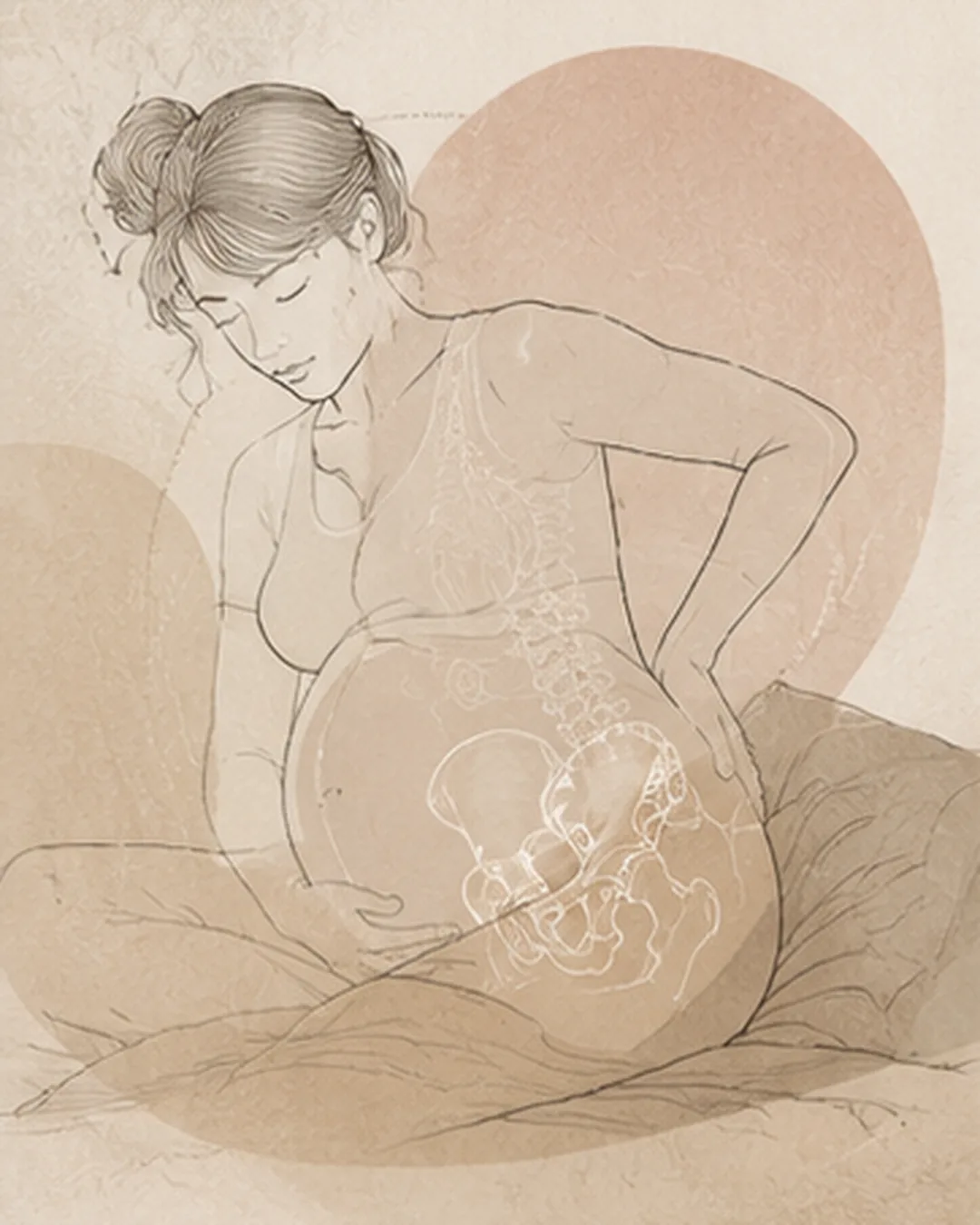
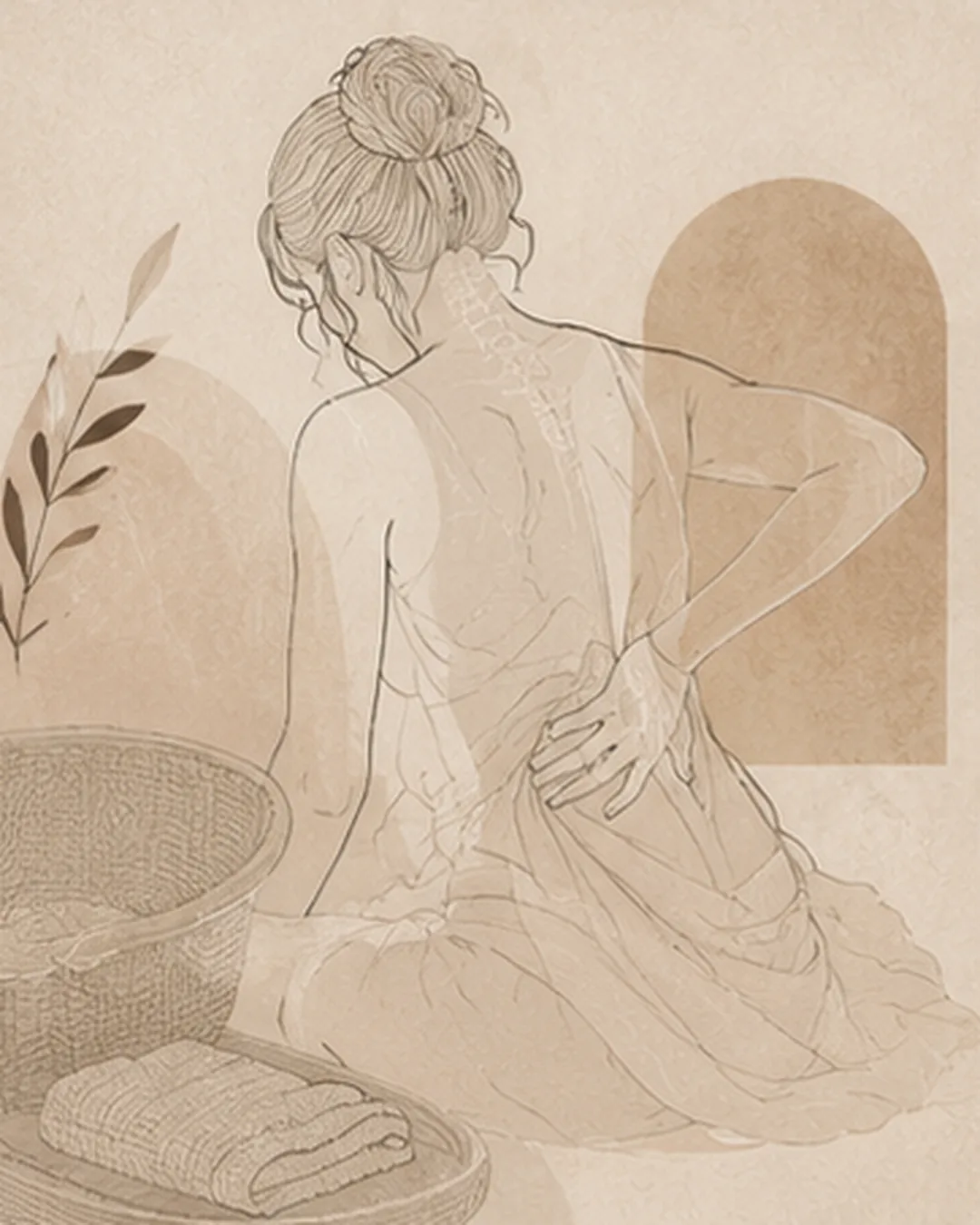
If your back pain settles for a few weeks and then returns, the usual reason is simple, even if it is frustrating: the thing actually driving it has not changed. Rest and painkillers calm a flare-up, but they do not change how your back is loaded day to day, so the pain has every reason to come back. The fix is rarely “find the broken bit”. It is usually changing how you move, build and load your body over time.
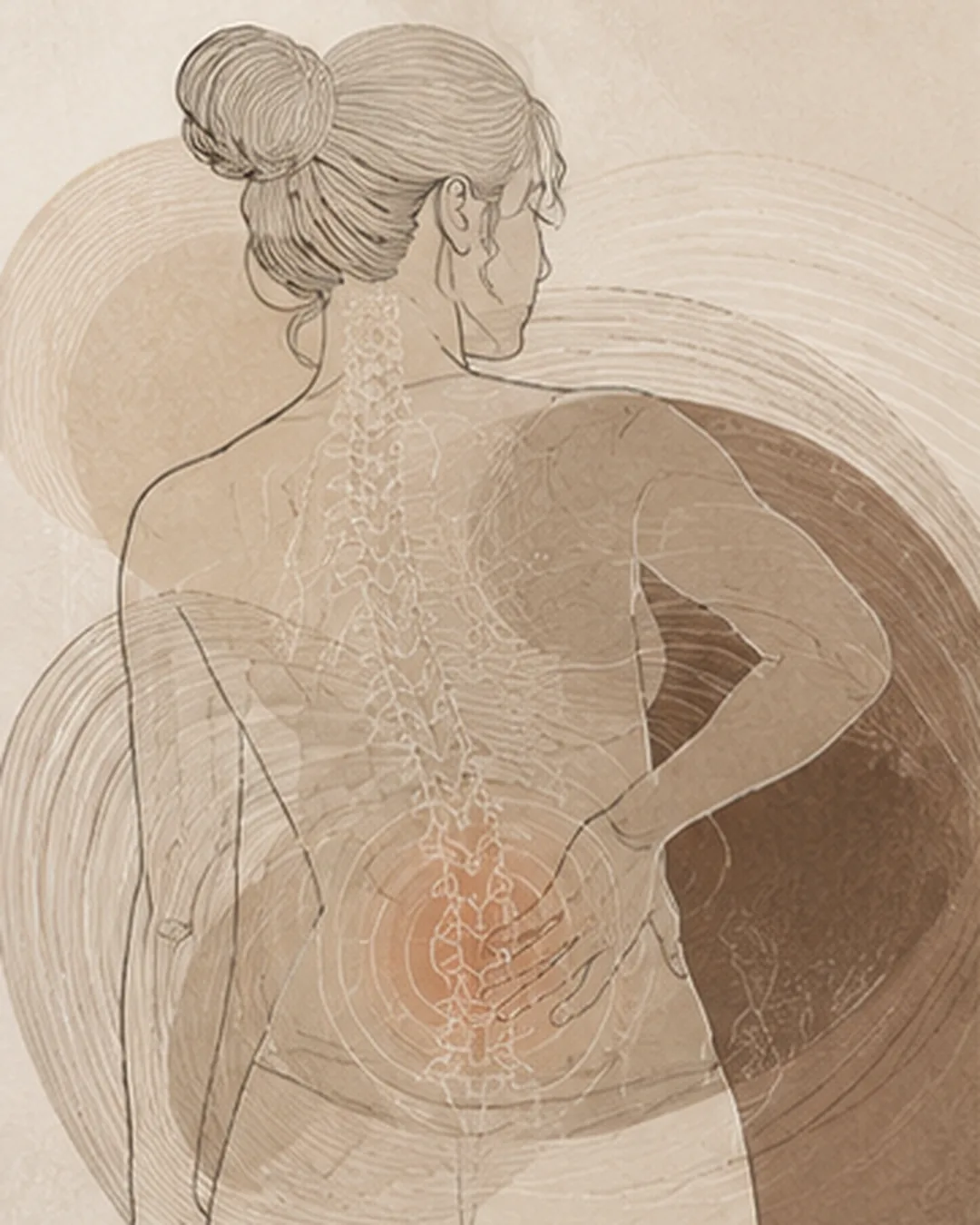
That is the short version. Here is why it is true.
It's usually not structural
This is the part most people get wrong, and it is not their fault, because the language around backs is scary. Around 80% of people in the UK will have lower back pain at some point in their lives, according to NHS sources. But fewer than 1% of those cases are caused by serious disease or damage.
So when your back “goes” again, it is very unlikely you have re-damaged something. What is far more common is that a sensitive, under-prepared back has been asked to do something it was not ready for, whether that is a heavy lift, a long drive, a bad night's sleep or a stressful week. Backs are robust. They are just not invincible when they are weak and under-loaded.
Why rest and painkillers are the wrong long-term answer
When it hurts, lying down and reaching for painkillers feels right. For the first day or two of a bad flare, that is fine. As a long-term strategy, it backfires.
The UK's national guidance on back pain, NICE guideline NG59, is clear on this. It recommends staying active and using exercise as the main part of treatment, with hands-on manual therapy useful as part of that package rather than on its own. It specifically advises against relying on rest, and against routinely using strong painkillers such as opioids for ongoing back pain.
What osteopathy addresses, and what it doesn't
Osteopathy can ease a painful, guarded back, free up stiff areas, calm things down and get you moving again sooner. That matters, because getting out of a flare quickly is genuinely useful and it makes the next step possible.
What hands-on treatment alone will not do is fix the underlying issue if that issue is a back that is weak and undertrained. No amount of manual therapy replaces building capacity. Anyone selling you endless “maintenance” appointments with no plan to make you stronger is treating the symptom and keeping you coming back. I would rather you did not need me.
The bit nobody tells you: strength and load
Here is what is usually missing. Not “core exercises” in the sit-ups-and-planks sense, and not a sheet of gentle stretches you will do twice and forget. I mean progressive loading, gradually and deliberately asking more of your back, hips and legs so they get stronger and more resilient over time.
A back that can squat, hinge, carry and lift with confidence is a back that stops flaring at the small stuff. The exercises matter, but the principle matters more: start where you are, add a little load over time, and let your body adapt. That is how you change the pattern instead of just riding out the next flare.
What a proper plan looks like at Osteoxfit
This is why I do not just treat you and send you off. A sensible plan has two halves.
First, hands-on treatment to settle the current pain and get you moving comfortably again. Second, and this is the part that actually stops it recurring, a clear and progressive movement and strength plan built around you, your history and your goals, that you take away and keep doing. I will show you what to do, why it works, and how to build it up safely.
The goal is not to make you dependent on appointments. The goal is a back you trust.
Common questions
Is my recurring back pain caused by something structural?
Probably not. Fewer than 1% of back pain cases in the UK are due to serious disease or damage. In most cases no clear structural cause is found. Recurring pain is far more often linked to a back that is under-prepared for the load being put through it.
Should I rest when it flares up?
A day or two of taking it easier is fine, but long-term rest backfires. NICE NG59 recommends staying active and using exercise as the main part of treatment, because movement helps the back recover and reduces recurrence.
Do I need to do core exercises?
Not in the sit-ups-and-planks sense. What helps most is progressive loading, gradually building strength through your back, hips and legs so they cope with everyday demands. The aim is a stronger, more resilient back, not a specific core routine.
When should I see a GP urgently?
If you have back pain alongside numbness around the groin or inner thighs, loss of bladder or bowel control, unexplained weight loss, fever, or pain that is severe and constant, see your GP or go to A&E. These are rare but serious and are not something osteopathy treats.
Last reviewed by Amina Shamsi M.Ost, June 2026
Osteoxfit is based in Chelsea SW10, within easy reach of Kings Road, Sloane Square, Fulham, Kensington and Knightsbridge. I work exclusively with women. No GP referral needed. This article is general information and not a substitute for personal medical advice.
Sick of the cycle? Let's break it.
If you are tired of flare, rest, repeat, get in touch. I will give you an honest assessment and a plan that actually changes things.
Message on WhatsApp