Choose a massage gun with controllable low speeds, a manageable weight and a clear warranty. Theragun Mini suits portability; Theragun Prime and Hypervolt offer broader adjustment. A massage gun may change short-term soreness or range of motion but cannot “break scar tissue” or treat unexplained pain.
Selection
Prioritise low-speed control, stall force appropriate to gentle use, handle reach, noise, battery replacement policy and soft attachments. High amplitude and maximal force are not automatically better.
Safer use
Use on large muscle areas, not the front/side of neck, spine, abdomen, wounds, acute injury or areas with altered sensation. Avoid bony prominences and stop for bruising, numbness or sharp pain.
People using anticoagulants, with vascular conditions, pregnancy, recent surgery or significant osteoporosis should seek individual advice.
Evidence
Percussive devices are newer than foam rollers, and independent evidence is limited. Short-term range-of-motion changes do not prove structural tissue release.
Device and attachment comparison
Amplitude, stall force and speed are commonly advertised, but bigger numbers are not automatically more useful. A heavy device may be difficult to control one-handed; an aggressive motor can make light contact hard to maintain. Compare total weight, grip diameter, lowest setting, noise, charge method, warranty and whether replacement attachments are available.
Round foam heads spread force across larger muscle areas. Flat heads provide broader contact with a firmer feel. Narrow “bullet” attachments concentrate force and are easier to misuse; they are not a tool for pressing into joints, the spine or unexplained focal pain. Forked attachments do not make direct use over the neck or spine safe. Start with the broadest attachment and lowest setting if a trial is appropriate.
A credible trial protocol
Choose one muscle group and one repeatable outcome, such as perceived soreness during stairs after a familiar training session. Record the device, attachment, setting, duration and timing. Compare with usual recovery across more than one session without changing several other recovery strategies simultaneously. A short-lived change in soreness or range of motion does not prove faster tissue healing or reduced injury risk.
Avoid use over acute injury, bruising, open skin, suspected clot, reduced sensation or areas where a clinician has advised against pressure. Anticoagulant medication and relevant vascular or neurological conditions warrant individual advice. Stop for sharp pain, spreading symptoms, unusual swelling, dizziness or skin damage.
Verdict
Buy a lighter device you can control rather than the most forceful model. Use brief, comfortable passes and combine with active movement.
Frequently asked questions
Can I use it on my lower back?
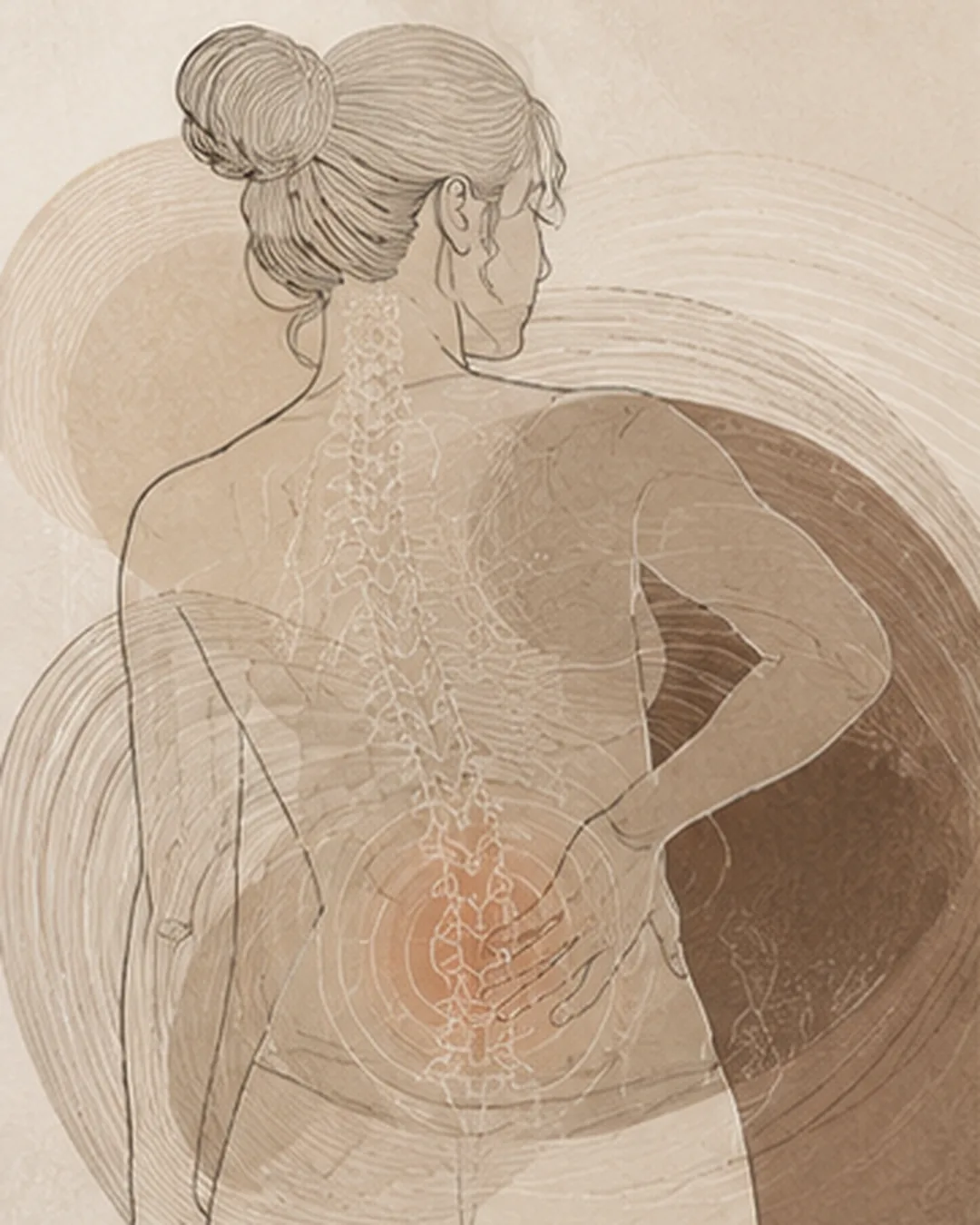
Avoid direct force over the spine or kidneys; target appropriate surrounding muscles only with guidance.
Is pain during use beneficial?
No. More pain is not evidence of more effect.
Massage gun or foam roller?
A gun is easier to target one area; a roller is cheaper and uses body weight. Neither is essential.
Equipment can support activity but cannot replace an individual progression plan. If pain, injury or confidence is limiting exercise, read about Osteoxfit rehabilitation coaching.
Ready to get started?
Message Amina on WhatsApp to check availability and request an appointment.
Message on WhatsApp