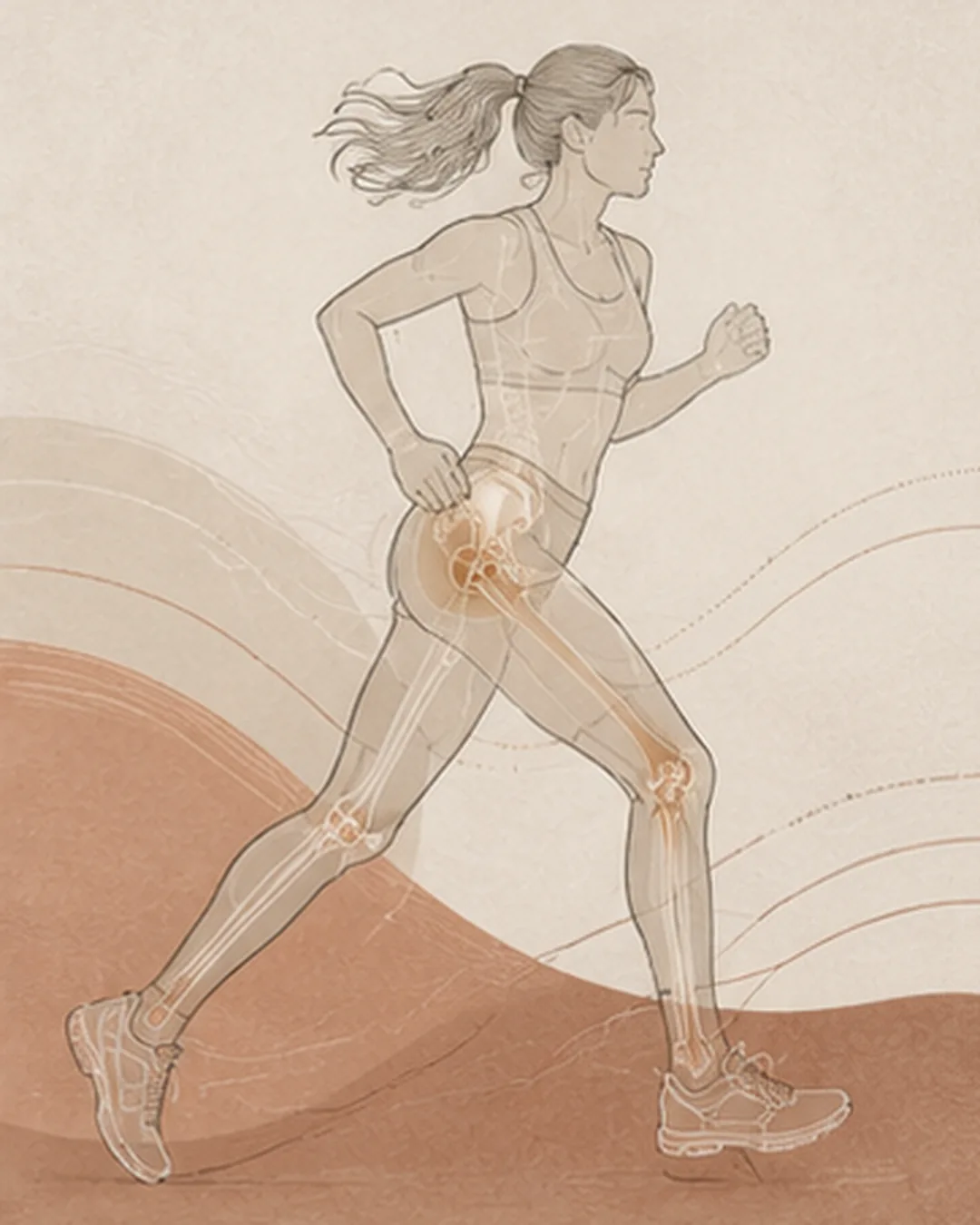
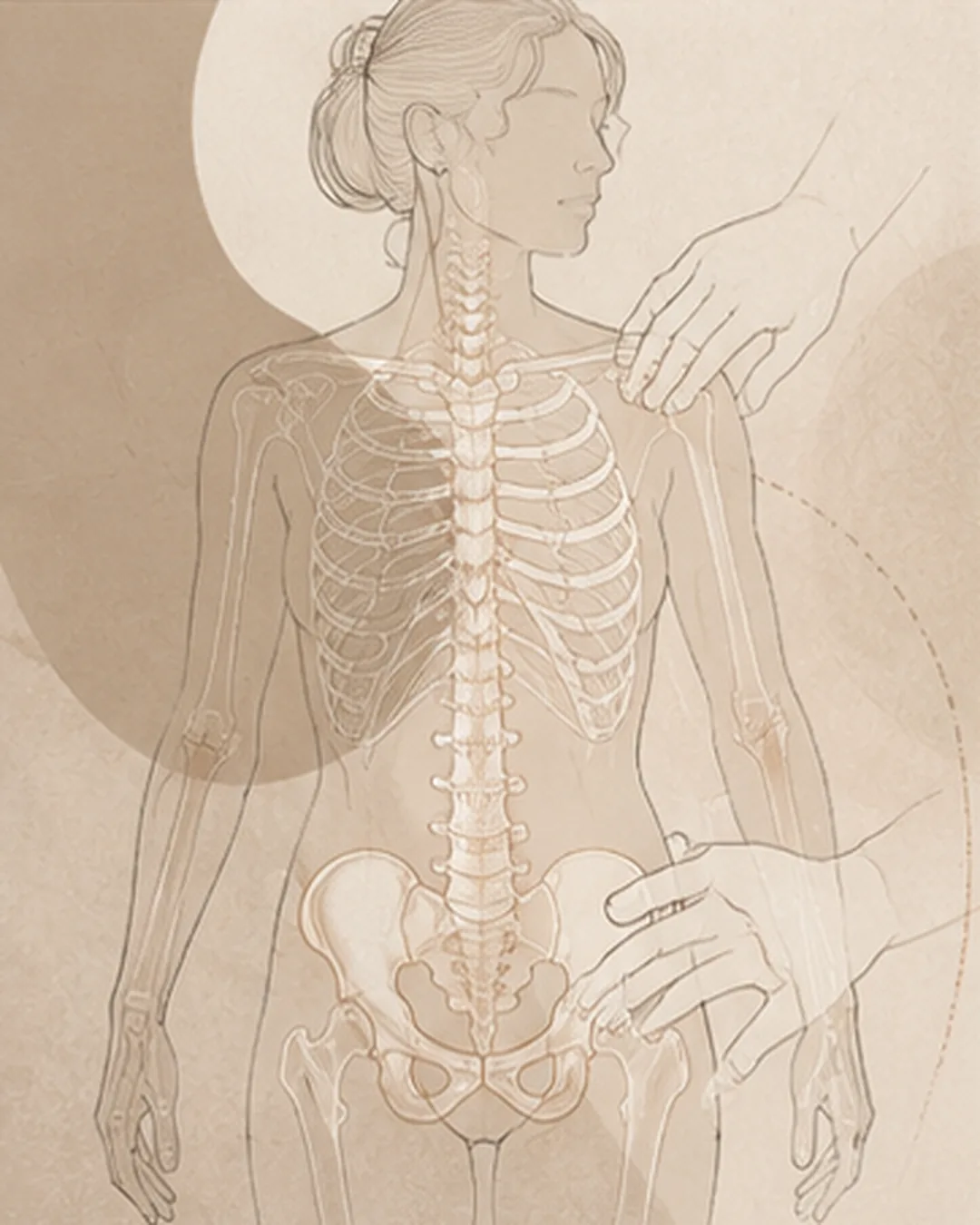
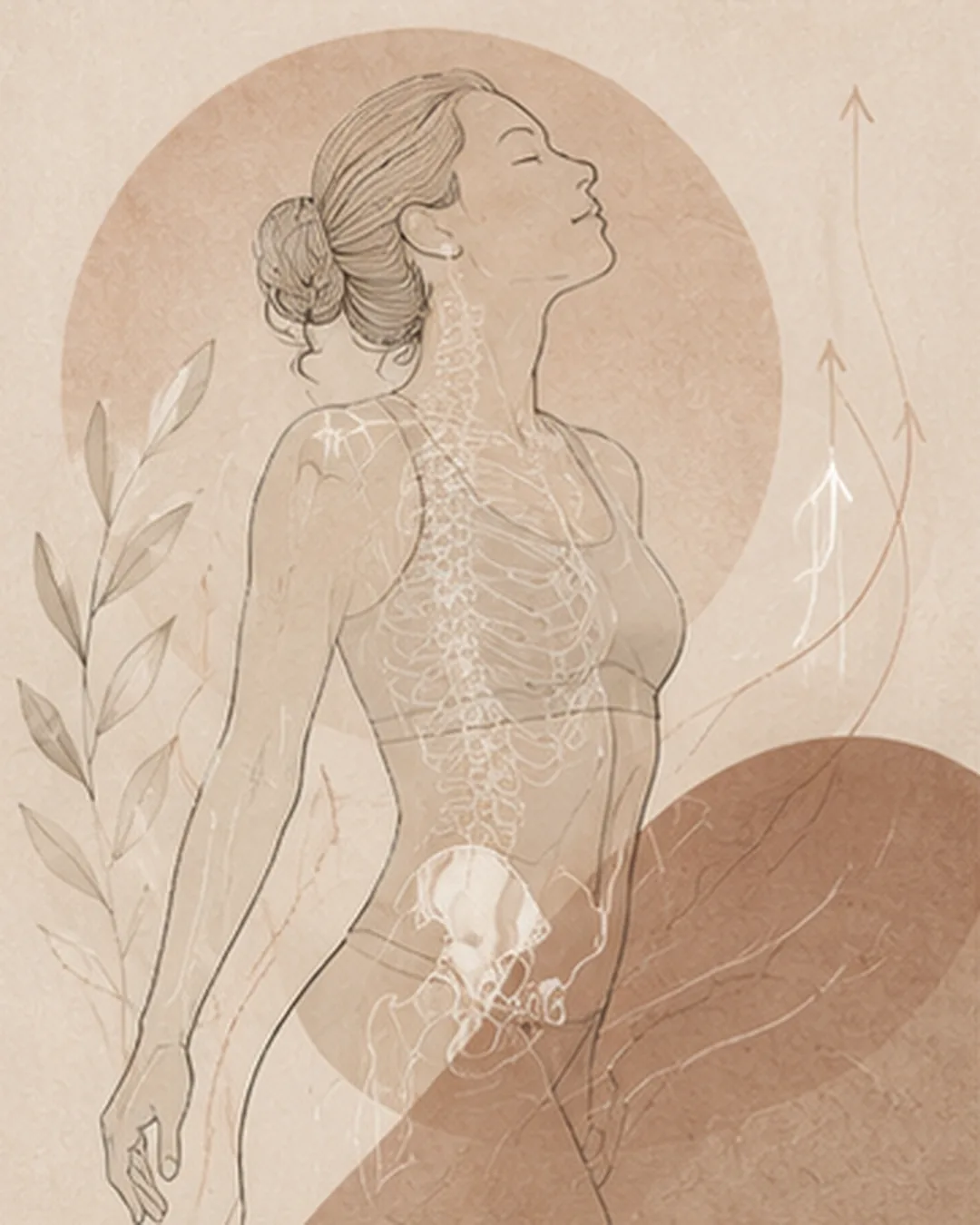
Having a baby is a significant physical event. Whether you gave birth vaginally or by caesarean, your body has spent nine months adapting and then gone through something demanding at the end of it. Some back and pelvic pain afterward is entirely normal. What is not normal, and what a lot of women are quietly putting up with, is pain that persists for weeks or months and limits what they can do.
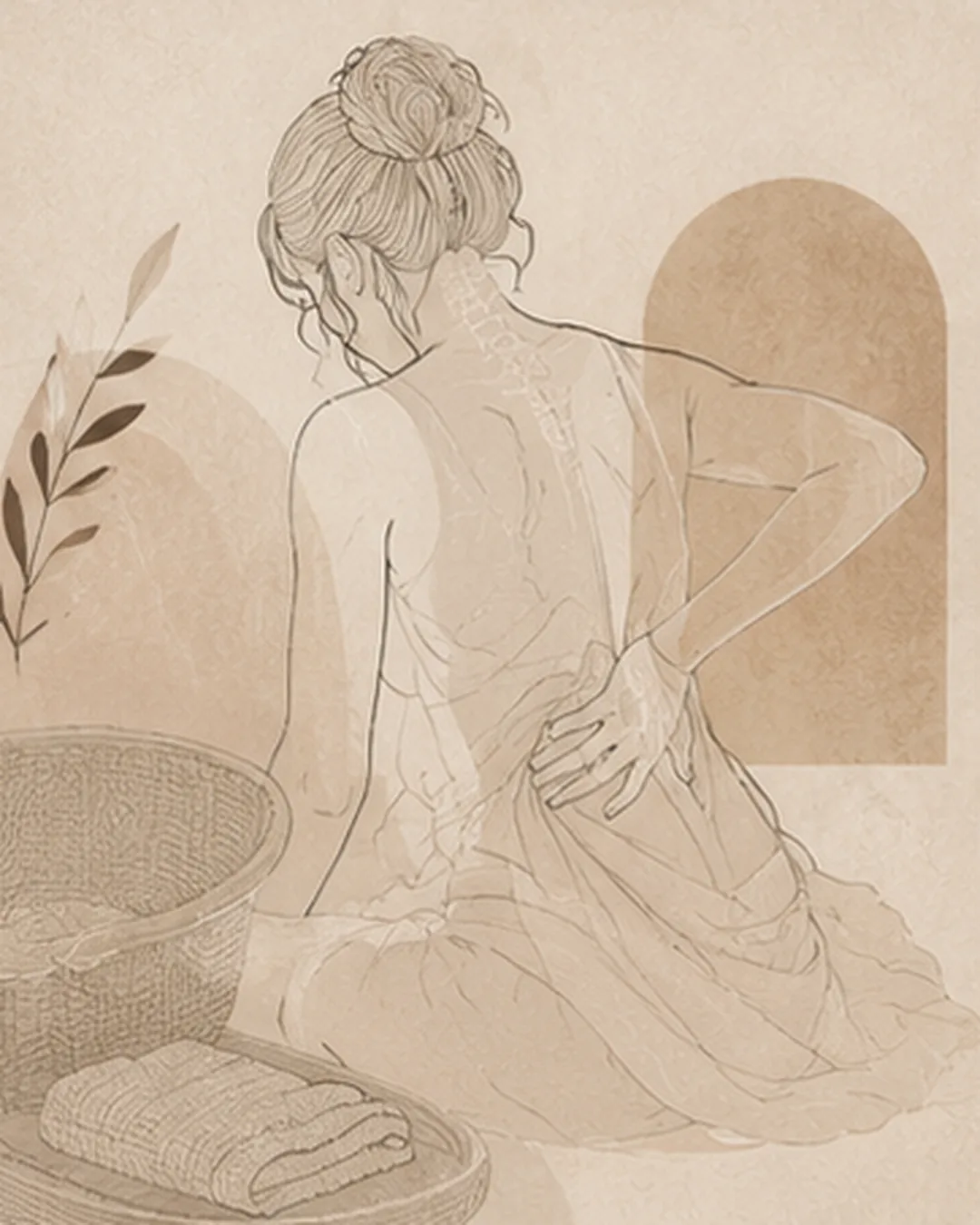
Research suggests that up to three quarters of women who had pregnancy-related back pain may still have some pain after giving birth. For a meaningful number of those, it does not simply resolve on its own within the first few months. The postnatal period gets a lot of attention for the baby and very little for the mother. This is an attempt to correct that, at least slightly.
Why your back hurts after birth
Your body does not switch off overnight. The physical changes of pregnancy, the hormonal shifts, the postural adaptations, the loosening of the ligaments through the pelvis, these do not reverse the moment your baby is born. Relaxin, the hormone that softens your ligaments in preparation for labour, continues to circulate in the body for up to six months after birth, particularly if you are breastfeeding. That means your joints are still mobile and less stable than usual for longer than most people realise.
On top of that, the demands of early parenthood load the body in new ways. Feeding, carrying, lifting from low positions, sleeping in whatever position lets you get the most rest. All of these put repetitive load through a back that is already working with reduced core support and still-loose pelvic ligaments. It is a recipe for pain that makes complete sense once you understand what is happening.
The most common postnatal complaints I see are:
- Lower back pain, often one-sided, that worsens with prolonged standing or walking
- Sacroiliac joint pain, felt at the base of the spine or into one buttock, that can radiate into the thigh
- Pelvic girdle pain (PGP) that continued or worsened after birth
- Upper back and shoulder pain, usually driven by feeding posture and carrying
- Neck pain, for the same reasons
What is normal and what needs attention
Some aching and stiffness in the weeks after birth is normal, particularly if labour was long or physically demanding. Mild discomfort that is generally improving week by week is a reasonable sign that your body is rebalancing.
The following are reasons to seek help rather than wait:
- Pain that has not improved after six weeks postnatally
- Pain that is getting worse, not better
- Pain that significantly limits your ability to carry, walk, sleep or care for your baby
- PGP that was present in pregnancy and has not settled
And the following are reasons to contact your midwife, GP or maternity team rather than an osteopath first:
- Numbness or weakness in your legs
- Loss of bladder or bowel control (this is not just a normal postnatal inconvenience and should be assessed)
- Severe headache, particularly in the first couple of weeks after birth
- Redness, heat or worsening pain around a caesarean scar
- Fever alongside musculoskeletal pain
What osteopathy can help with postnatally
Hands-on treatment after birth has two main jobs. The first is addressing what hurts right now. Tight, restricted muscles and stiff joints that have been under load for months do not automatically release after birth. Soft tissue work and gentle joint mobilisation can make a real difference to how you feel and how you are able to move, which matters enormously when you have a baby to look after.
The second job is helping the body rebalance as it transitions back from pregnancy. The pelvis, sacrum and lumbar spine often need specific attention after birth, particularly after a demanding labour or delivery. Sacroiliac joint pain is one of the most common postnatal complaints, and it responds well to treatment combined with the right movement advice.
For women who have had a caesarean, osteopathy can help once the wound has healed and you have clearance from your midwife or GP. This includes work on scar tissue mobility once the incision is fully healed, which can affect how the surrounding tissue moves and contribute to ongoing discomfort if left unaddressed.
I will also look at how you are loading your body day to day: feeding positions, how you pick up and carry your baby, what your sleep setup looks like. These are practical and make a real difference alongside the hands-on work.
What about the pelvic floor?
This matters and it is worth being clear about what osteopathy does and does not do here. Osteopathy is not a specialist pelvic floor treatment, and if you have specific pelvic floor concerns, such as prolapse symptoms, significant leaking, or pain with intercourse, a women's health physiotherapist with a specialist interest in pelvic floor rehabilitation is the right referral. I will tell you clearly if that is what I think you need.
What I can do is address the musculoskeletal context around the pelvic floor: the hip and glute tension, the sacroiliac and lumbar restriction, and the postural patterns that affect how the whole system works. For many women that is the missing piece, and it sits alongside rather than in place of pelvic floor physiotherapy when that is needed.
When can you start?
For most women, hands-on treatment is appropriate from around six weeks postnatally, once your postnatal check is done and your midwife or GP is happy. If you had a straightforward vaginal birth with no complications and are experiencing significant pain before that point, contact me and we can discuss whether earlier treatment makes sense for your situation. I will always err on the side of caution.
Treatment while breastfeeding is entirely safe. You do not need to adjust your feeding schedule around appointments.
My approach
I work exclusively with women, and postnatal recovery is one of the areas I feel most strongly about. There is a lot of very quick dismissal of postnatal pain as something that just comes with having a baby, that you just need to be patient, that it will sort itself. Sometimes it does. A lot of the time it does not, or it takes far longer than necessary, and in the meantime you are in pain and trying to function at a level that would be demanding even without that.
My aim is to assess what is actually going on, treat what I can treat, and give you a clear and realistic plan for getting stronger and more comfortable over the weeks ahead. Not just in the room, but in the rest of your life too.
If you had pregnancy osteopathy with me and want to continue postnatal, we already have a good foundation to work from. If you are new, that is absolutely fine. I will take a full picture of your pregnancy, birth and how you are feeling now before we do anything else.
Common questions
My back was fine during pregnancy. Why does it hurt now?
This is more common than people expect. The demands of pregnancy can mask or compensate for imbalances that emerge more clearly once the pregnancy is over and you are carrying and feeding a baby instead. Hormonal changes also continue after birth, keeping the joints relatively mobile and prone to irritation under load.
Is it just diastasis recti?
Abdominal separation (diastasis recti) is common after pregnancy and can contribute to back pain by affecting how load is transferred through the trunk. Osteopathy is not a specific treatment for the separation itself, but it can address the surrounding back and pelvic pain. If diastasis is suspected, assessment by a women's health physiotherapist is the right step for the abdominal rehabilitation.
My pain is mostly in my upper back and shoulders. Is that relevant?
Yes. Upper back and shoulder pain after birth is extremely common and almost always driven by feeding and carrying posture. It is very treatable. Come in and we will sort it out.
Can I bring my baby to the appointment?
Yes. Bring them. I work with women at this stage of life and I know what that looks like practically. We will make it work.
Last reviewed by Amina Shamsi M.Ost, June 2026
Osteoxfit is based in Chelsea SW10, within easy reach of Kings Road, Sloane Square, Fulham, Kensington and Knightsbridge. I work exclusively with women. No GP referral needed. This article is general information, not personal medical advice. Always speak to your midwife or GP about concerns in the postnatal period. If you had osteopathy during pregnancy, postnatal treatment is a natural next step.
Postnatal osteopathy in Chelsea SW10.
If you are struggling with back or pelvic pain after having a baby and want an honest assessment of what is going on, get in touch. Bring the baby.
Message on WhatsApp