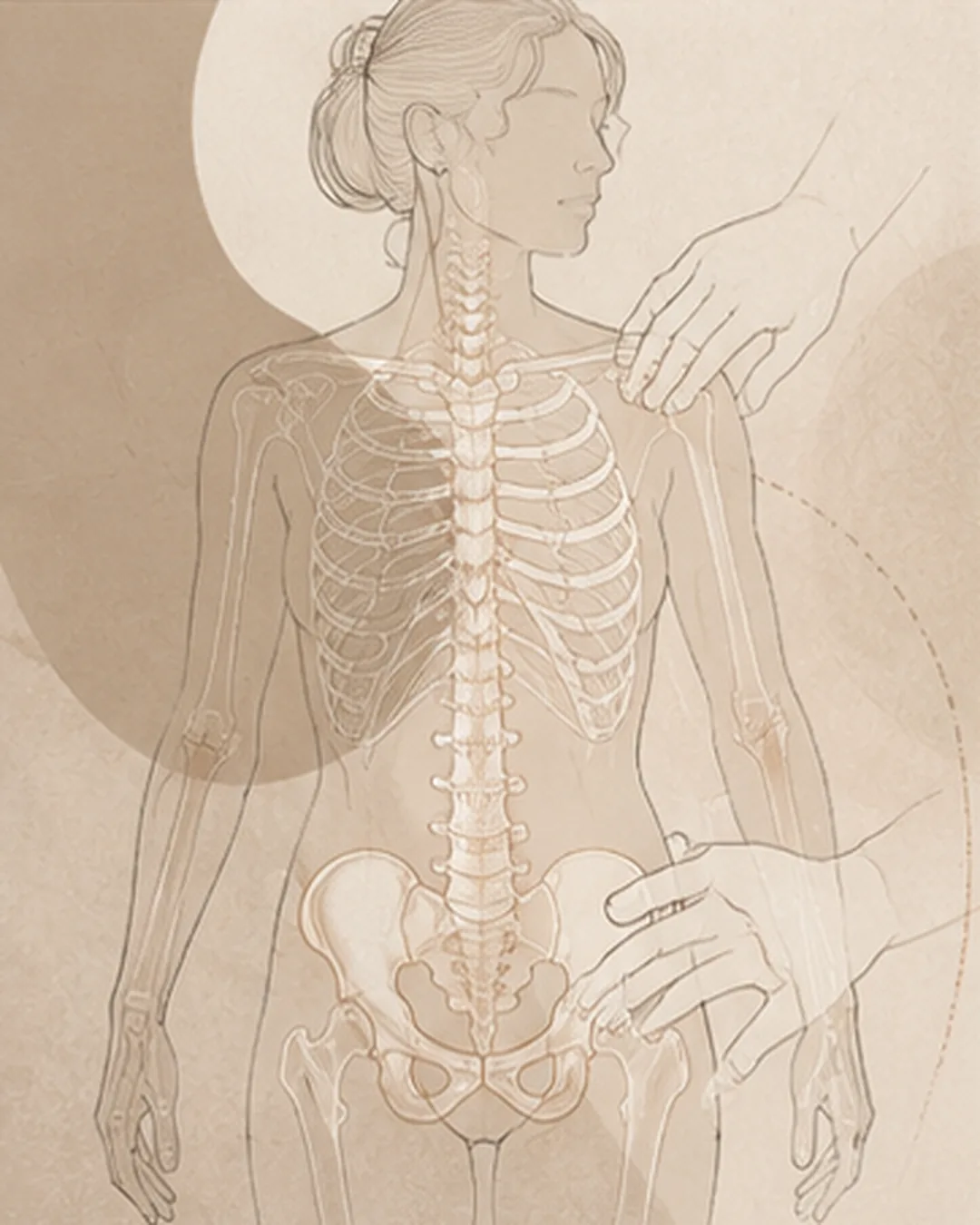
Choose by the practitioner’s assessment, scope and plan, not the profession’s label alone. UK osteopaths are statutorily regulated and commonly assess musculoskeletal problems using advice, movement, exercise and manual techniques. Physiotherapists work across musculoskeletal, neurological, respiratory and other rehabilitation. Massage primarily provides hands-on soft-tissue treatment and regulation varies.
Osteopathy
“Osteopath” is a protected UK title; practitioners must be registered with the General Osteopathic Council. Ask how assessment, consent, exercise and progress review are integrated.
Physiotherapy
Physiotherapy is a degree-based healthcare profession using movement, exercise, education, advice and sometimes manual therapy. Specialist expertise varies widely.
Massage
Massage may provide relaxation or short-term symptom relief. “Massage therapist” is not regulated in the same statutory way as osteopath or physiotherapist, so check training, insurance and boundaries.
Back-pain evidence
NICE advises that manual therapy should be considered only within a package including exercise, with or without psychological therapy. This applies to the treatment strategy, regardless of professional brand.
At-a-glance comparison
| Service | UK status | Typical emphasis | Check before booking |
|---|---|---|---|
| Osteopathy | Protected title; GOsC registration required | Musculoskeletal assessment, advice, movement and manual care | Registration, relevant experience and rehabilitation plan |
| Physiotherapy | Protected title; HCPC registration required | Broad rehabilitation across musculoskeletal and other specialties | Registration and whether the clinician's specialty matches the problem |
| Massage | Title is not statutorily regulated in the same way | Hands-on soft-tissue work, comfort and relaxation | Training, insurance, scope and referral boundaries |
Individual practice varies within every column. Some osteopaths emphasise exercise; some physiotherapists use substantial manual therapy; massage practitioners train in different approaches. Compare the named practitioner and proposed plan rather than assuming a profession guarantees one treatment style.
Choosing safely
Verify registration where applicable, ask about experience with your presentation, expect informed consent, and agree how improvement will be measured. Be cautious of guaranteed cures, frightening scans or demands for long prepaid plans.
Questions worth asking before booking
- Are you registered with the relevant UK regulator, where one applies?
- Will the first visit include assessment as well as treatment?
- How do exercise, self-management and referral fit into your approach?
- What happens if I do not improve within the expected period?
- Can I stop or change a technique at any time?
Job titles cannot tell you whether an individual clinician has expertise in pregnancy, sport, persistent pain or neurological rehabilitation. Read the practitioner profile, verify registration independently and choose the service whose scope matches your goal.
Final answer
For assessment plus rehabilitation, choose a suitably qualified osteopath or physiotherapist whose approach fits your needs. Choose massage when your goal is primarily hands-on comfort and red flags have been appropriately considered.
Osteoxfit offers women-only osteopathy and rehabilitation in Chelsea. Explore women's osteopathy if that model fits what you need.
Frequently asked questions
Is one profession better for back pain?
No universal winner exists; clinician skill, approach and fit matter.
Can an osteopath prescribe medication?
Not ordinarily; they can refer or advise medical assessment.
Do I need a GP referral?
Private access is commonly direct, but insurance and NHS pathways vary.
Want to understand what a session actually involves first? Read what is osteopathy, or see when back pain needs assessment to work out which route fits your symptoms.
Ready to get started?
Message Amina on WhatsApp to check availability and request an appointment.
Message on WhatsApp