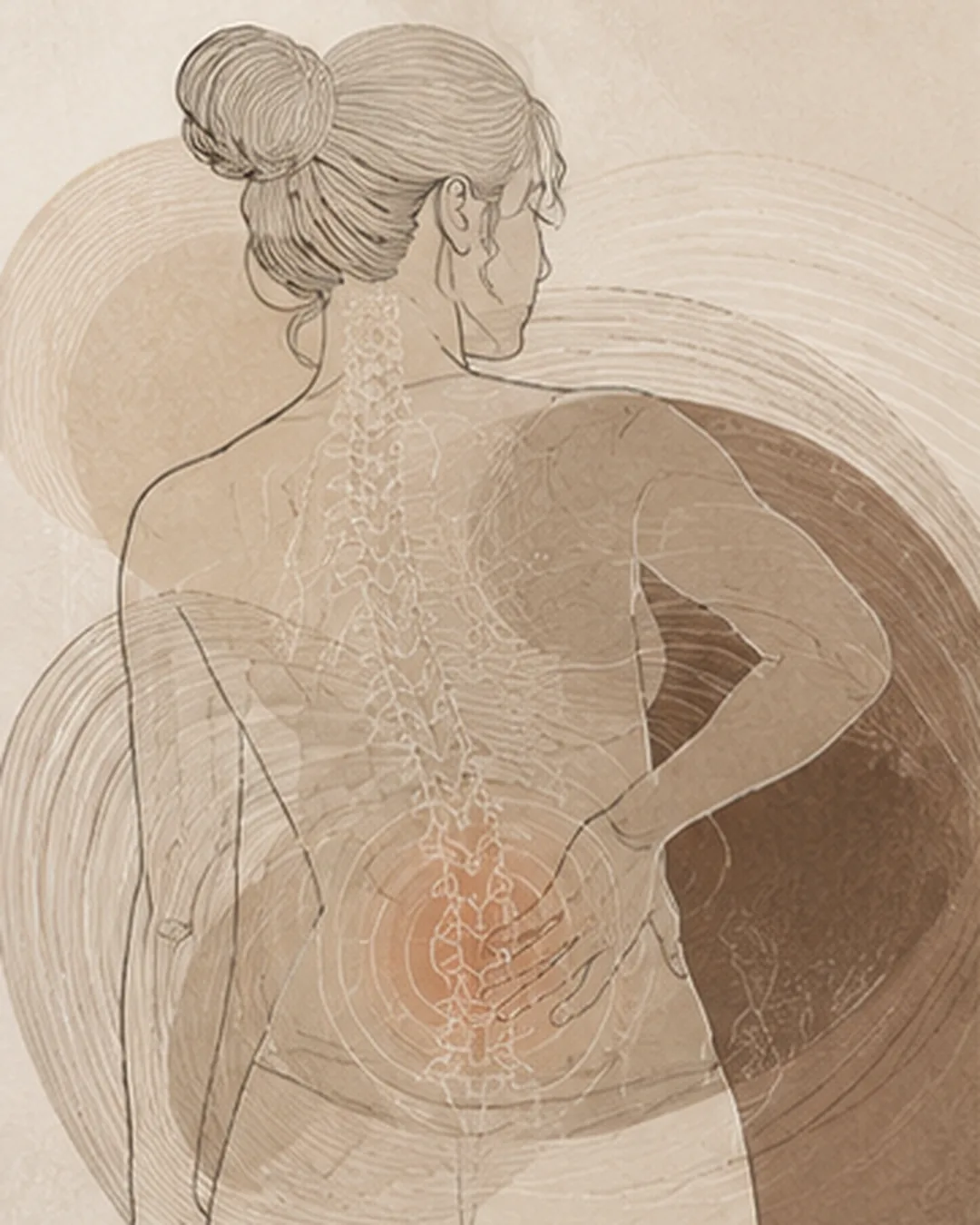
Most episodes of back pain improve, but assessment is appropriate when symptoms are severe, worsening, recurrent, persistent or stopping normal activity. Some combinations require urgent medical help.
Seek urgent help
Use urgent NHS advice for new bladder or bowel control changes, numbness around the genitals or saddle region, rapidly progressive leg weakness, severe symptoms after major trauma, or back pain with fever or marked illness. Call emergency services when symptoms are immediately severe or life-threatening.
Arrange a routine assessment
Book an assessment when pain is not improving over several weeks, repeatedly returns, disrupts sleep or work, spreads into a limb, or creates uncertainty about safe activity. Earlier advice may be sensible during pregnancy, after surgery, with known osteoporosis or significant medical history.
Pain intensity alone does not identify the cause. A sudden severe episode after an ordinary movement can still settle well, while a less dramatic symptom combined with unexplained weight loss, cancer history, immune suppression or feeling systemically unwell deserves medical discussion. If you are unsure which service is appropriate, NHS 111 can help direct urgent care.
Which route should you use?
| Situation | Appropriate first route |
|---|---|
| New bladder/bowel change, saddle numbness or rapidly progressive weakness | Emergency or urgent NHS pathway |
| Fever, marked illness, significant trauma or serious medical concern | Urgent medical assessment or NHS 111 |
| Persistent or recurring pain limiting work, sleep or activity | Routine assessment with an appropriate registered clinician |
| Mild episode improving steadily with normal activity | Continue self-management while monitoring change |
This table cannot cover every presentation. Symptoms matter in combination with age, pregnancy, medication and health history. When the route is uncertain, NHS 111 or a GP can help determine whether medical assessment should precede musculoskeletal care.
What assessment should include
A clinician should ask about onset, behaviour, health history, medication and impact; examine relevant movement and neurological function; explain findings and discuss options. Imaging is not routinely needed for uncomplicated low-back pain.
Treatment expectations
NICE recommends self-management and exercise-based approaches. Manual therapy may be considered only as part of a package including exercise, with or without psychological approaches. Avoid anyone promising to permanently realign the spine.
A useful first appointment should give you more than a treatment session. You should leave understanding the working explanation, what you can safely continue, what would change the plan and how progress will be reviewed. Referral onward is a positive sign when examination suggests that another professional or investigation is more appropriate.
Final answer
Seek help based on symptom behaviour and impact, not pain score alone. Urgent neurological or systemic features require medical pathways; persistent functional problems merit a considered assessment.
Frequently asked questions
Do I need an MRI?
Usually not initially unless findings suggest it would change management.
Is night pain always serious?
No, but severe unexplained or worsening night pain should be discussed.
Can I exercise before assessment?
Gentle tolerated activity is often reasonable; individual risks can change that advice.
For non-urgent, persistent or recurring symptoms, see Osteoxfit's back-pain service. Do not use the booking link for emergency symptoms.
Ready to get started?
Message Amina on WhatsApp to check availability and request an appointment.
Message on WhatsApp